
How Health Tech Innovations Are Shaping the Future of Healthcare


Revolutionizing Patient Care
The healthcare industry is undergoing a remarkable transformation, driven by groundbreaking health tech innovations. These advancements are significantly improving patient care by making it more personalized and accessible. From wearable devices that monitor health metrics in real-time to AI-powered diagnostic tools, technology is reshaping the future of healthcare.

Wearable devices such as smartwatches and fitness trackers are becoming integral to preventive care. They provide continuous health monitoring, allowing individuals to track their heart rate, sleep patterns, and physical activity. This data can be shared with healthcare providers for more informed decision-making, potentially preventing serious health issues.
Artificial Intelligence in Diagnostics
Artificial intelligence is revolutionizing the diagnostic process. AI algorithms can analyze medical images with remarkable accuracy, assisting doctors in identifying diseases at early stages. For instance, AI can detect subtle patterns in imaging that might be overlooked, leading to earlier intervention and better outcomes for patients.
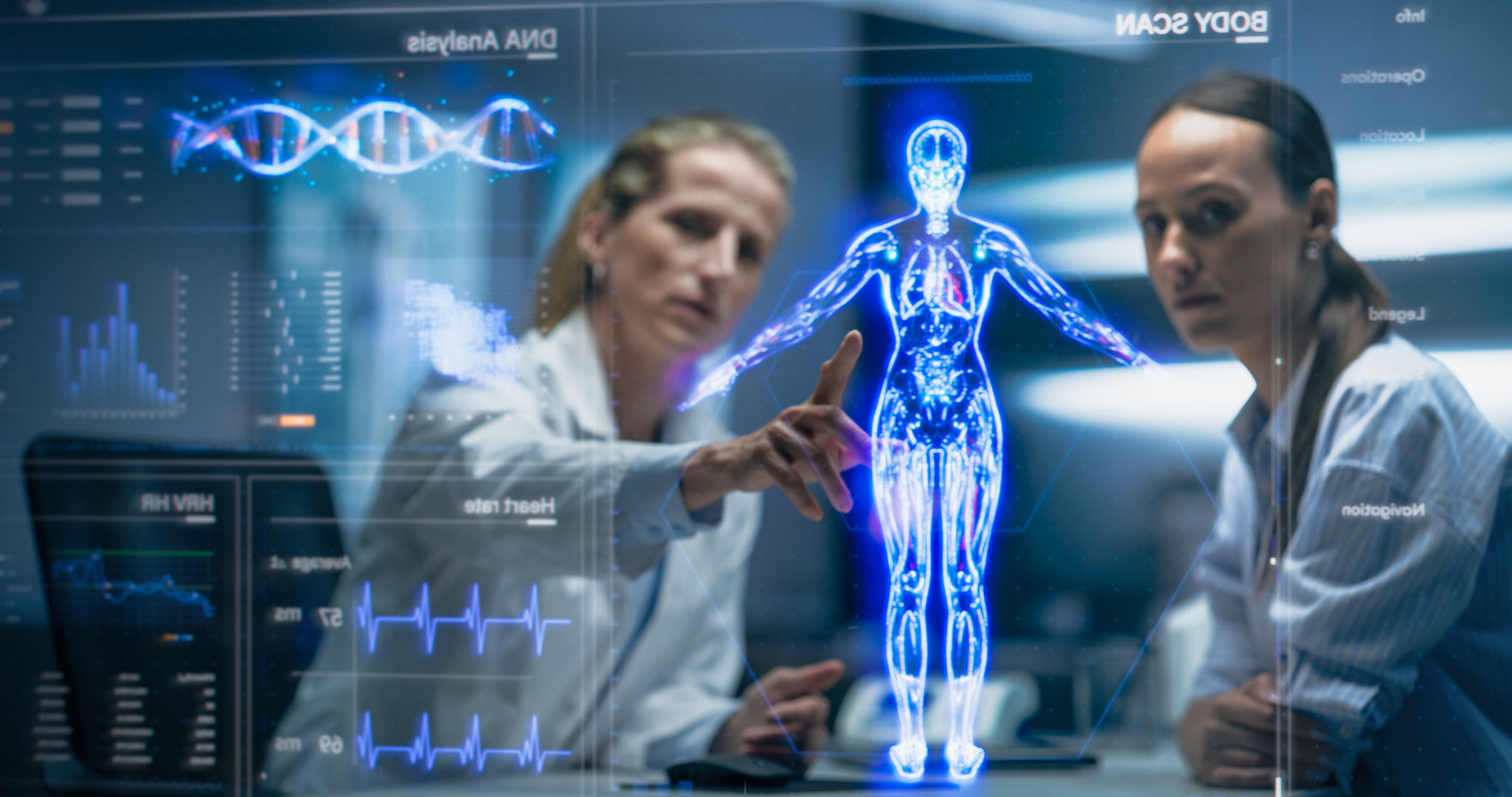
Moreover, AI-powered chatbots are enhancing patient engagement by providing instant responses to health-related queries. These virtual assistants can handle routine inquiries, schedule appointments, and offer medication reminders, freeing up healthcare professionals to focus on more complex tasks.
Telemedicine: Bridging the Gap
Telemedicine has emerged as a vital tool in making healthcare accessible to everyone, regardless of location. It allows patients to consult with healthcare providers remotely, reducing the need for travel and minimizing exposure to contagious diseases. This is especially beneficial for individuals in rural or underserved areas.

Furthermore, telemedicine platforms often integrate with electronic health records, ensuring that patient information is easily accessible and up-to-date. This seamless integration enhances the quality of care and streamlines the treatment process, benefiting both patients and providers.
Data-Driven Healthcare
Data analytics is playing a crucial role in transforming healthcare by providing insights that drive better decision-making. By analyzing vast amounts of data, healthcare providers can identify trends, predict outbreaks, and develop targeted treatment plans. This data-driven approach leads to more efficient healthcare systems and improved patient outcomes.

The use of big data in healthcare also supports personalized medicine. By understanding genetic information and individual health records, providers can tailor treatments to meet the specific needs of each patient, enhancing effectiveness and reducing adverse effects.
Challenges and Opportunities
While health tech innovations offer numerous benefits, they also present challenges such as data privacy concerns and the need for robust cybersecurity measures. Ensuring the confidentiality of sensitive health information is paramount as more data is collected and shared electronically.
Despite these challenges, the opportunities presented by health tech innovations are immense. By embracing these technologies, healthcare providers can offer more efficient, effective, and personalized care, ultimately improving the overall health of populations worldwide.